

History of Aotearoa New Zealand at Venice
Aotearoa New Zealand has exhibited at La Biennale di Venezia since 2001, leading to greater national and international profile and opportunities for all of the participating artists. La Biennale di Venezia is widely recognised as the world’s pre-eminent contemporary art exhibition.
An official presence brings New Zealand contemporary art to the attention of global media, art institutions, experts and gallerists and offers professional development opportunities for the curators, exhibition attendants and team members including the technical, design and artistic contributors to the project.
New Zealand’s arts development agency, Creative New Zealand, funds and manages New Zealand’s presence at La Biennale di Venezia for the almost seven month duration. Additional supporters include public galleries and museums, sponsors, artists’ gallerists, and the broader arts community. The Aotearoa New Zealand at Venice patrons generously contribute around a third of the budget for New Zealand’s project.
A new venue is chosen for each exhibition as New Zealand does not maintain a permanent national pavilion in Venice.

2024
International exhibition
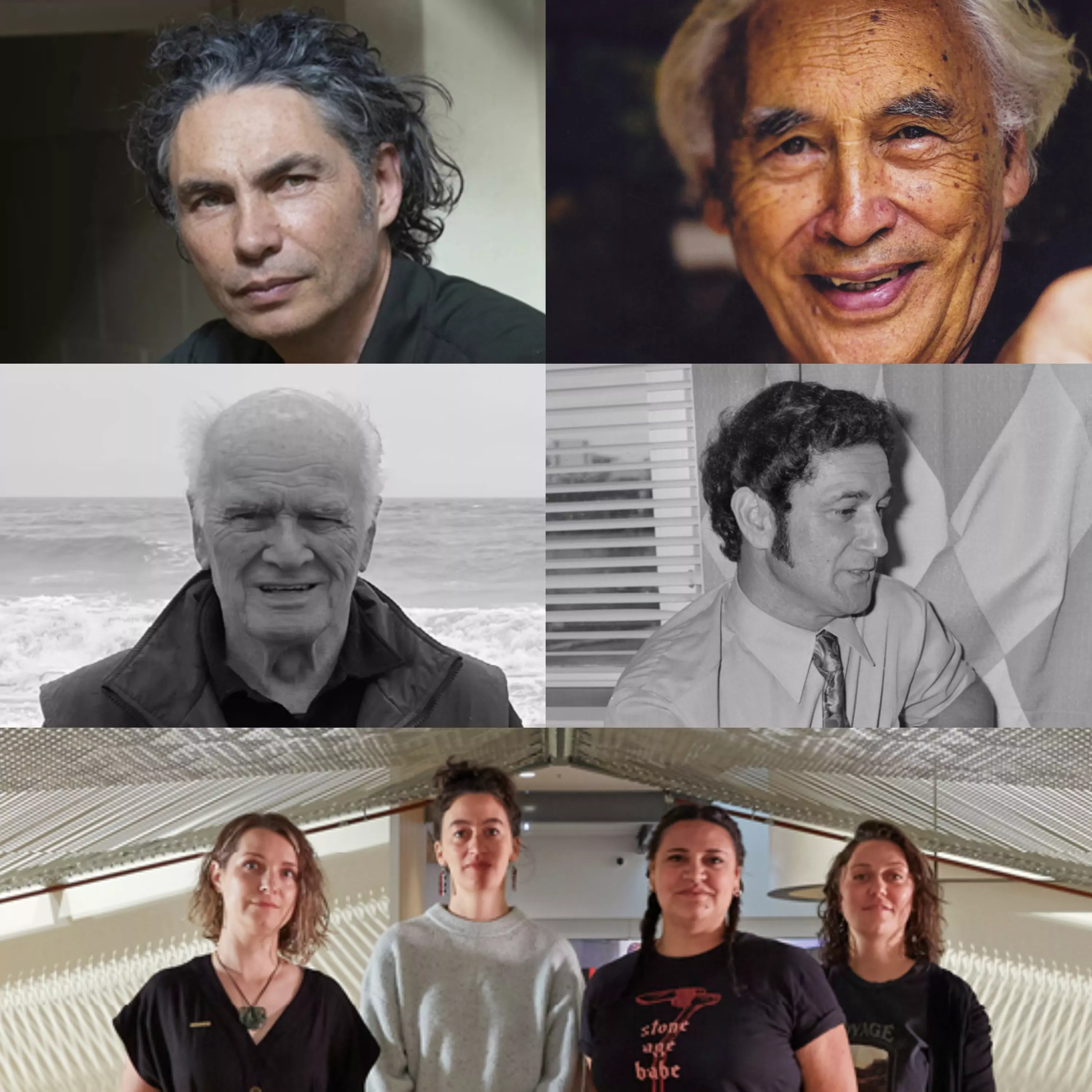
In 2024 there was no official New Zealand presentation at La Biennale di Venezia. However, five artists were selected for the International Exhibition. Mataaho won Golden Lion for Best Participant.

2023
Yuki Kihara
Paradise Camp comprises a suite of twelve tableau photographs in saturated colour, situated against a vast wallpaper of a landscape decimated by the 2009 tsunami.

2019
Dane Mitchell
At the heart of Dane Mitchell’s Post hoc, are 260 meticulously researched lists of countless phenomena that existed, but are now no more.

2017
Lisa Reihana
Lisa Reihana’s exhibition for the Biennale Arte 2017 returned imperialism’s gaze with a speculative twist that disrupted notions of beauty, authenticity, history and myth.
2015
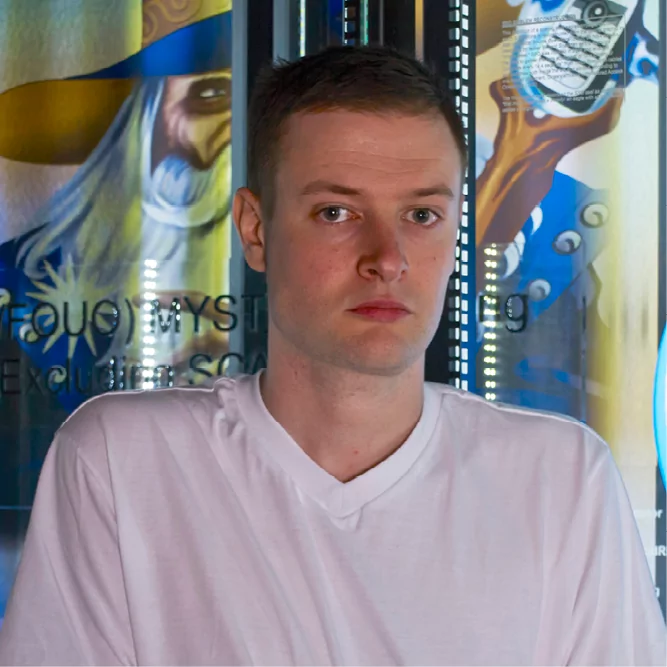
Simon Denny
Simon Denny drew upon the historic weight of Venice to offer an unprecedented perspective on the visual culture of the Five Eyes intelligence alliance revealed in documents leaked by NSA contractor Edward Snowden in 2013.
2013
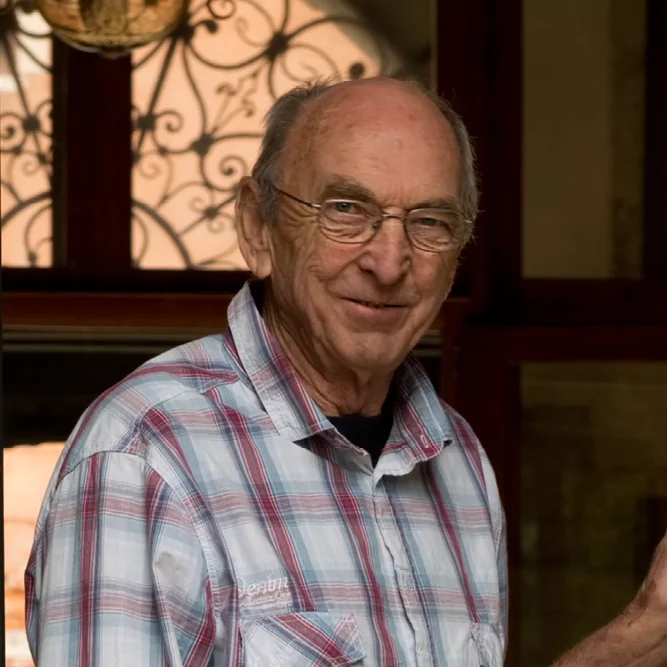
Bill Culbert
At the Biennale Arte 2013 Bill Culbert’s exhibition, Front Door Out Back, featured nine installations using fluorescent lights and recycled domestic objects.

2011
Michael Parekōwhai
Music and performance was a central aspect of Michael Parekowhai’s exhibition for the New Zealand pavilion at the Biennale Arte 2011.

2009
Judy Millar
New Zealand’s participation at the Biennale Arte 2009 was titled The Collision and comprised two exhibitions: Francis Upritchard’s Save Yourself and Judy Millar’s Giraffe-Bottle-Gun.

2009
Francis Upritchard
New Zealand’s participation at the Biennale Arte 2009 was titled The Collision and comprised two exhibitions: Francis Upritchard’s Save Yourself and Judy Millar’s Giraffe-Bottle-Gun.

2007
Speculation
In 2007 there was no official New Zealand presentation at La Biennale di Venezia. Instead, Creative New Zealand undertook a study of international visual arts events to assist in developing strategies for the future.

2005
ET AL.
The collective et al. staged the fundamental practice for the New Zealand pavilion at the Biennale Arte 2005. The site-specific installation was located directly behind the Santa Maria della Pietà church (La Pietà) on the Riva degli Schiavoni.

2003
Michael Stevenson
Michael Stevenson’s project for the Biennale Arte 2003 was installed in the circular La Maddelena church in Cannaregio. This is the Trekka, drew attention to historical moments by reproducing artefacts, including the exhibition’s centrepiece, a fully restored Trekka.

2001
Peter Robinson
Peter Robinson’s exhibition Divine Comedy was part of New Zealand’s first national exhibition at the Biennale Arte 2001. It was one of two individual installations shown under the title Bi-Polar at the Museo di Sant’ Apollonia.

2001
Jacqueline Fraser
Jacqueline Fraser’s exhibition A Demure Portrait of the Artist Strip Searched was part of New Zealand’s first national exhibition at the 49th Venice Art Biennale. It was one of two individual installations shown under the title Bi-Polar at the Museo di Sant’ Apollonia.